Thinking of stopping Botox? Here’s what actually happens to your face
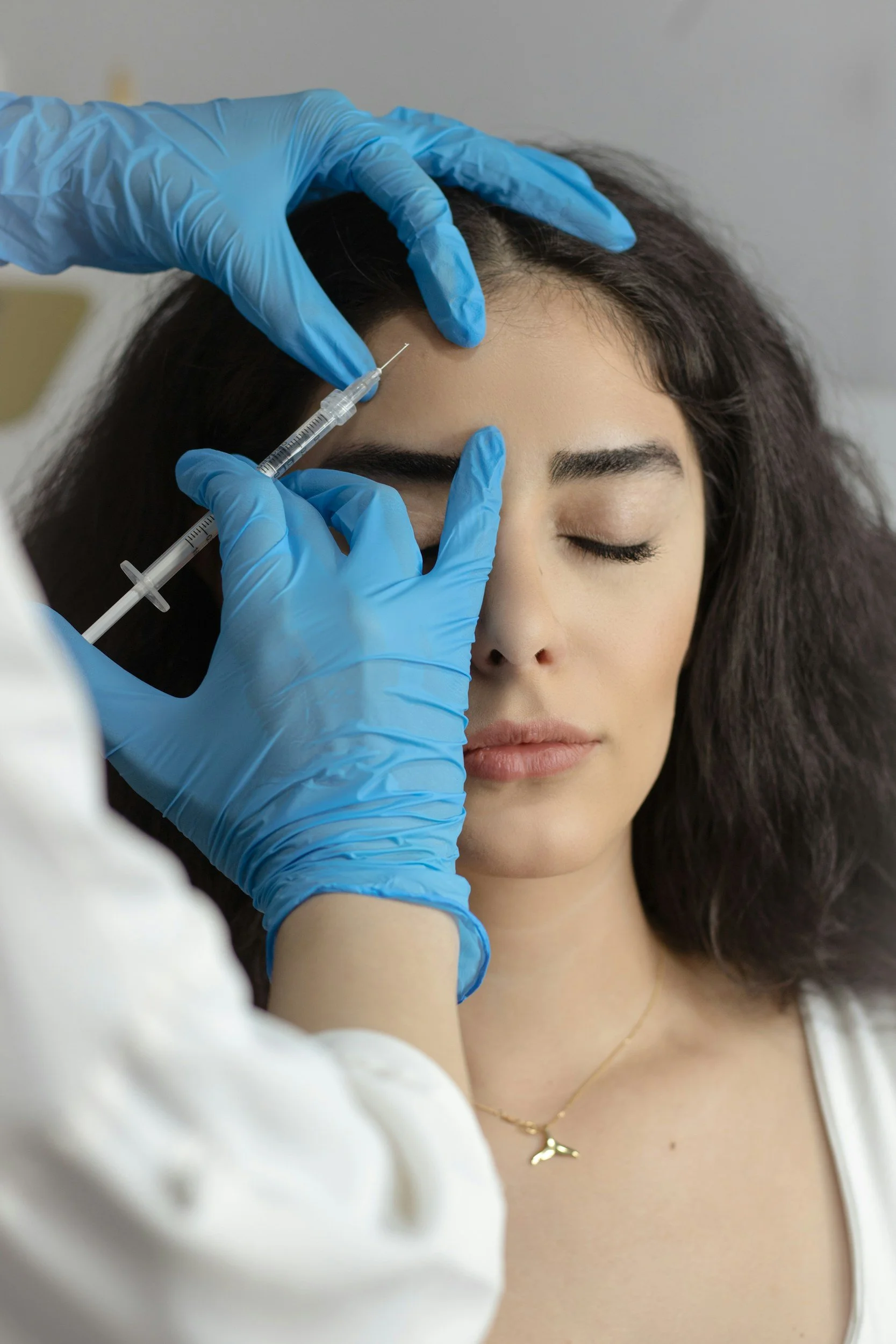
There was a time when Botox was something women only whispered about. You'd never admit to having it. If your forehead suddenly looked suspiciously smooth, you were simply drinking more water, getting your eight hours and blessed with good genes.
How times have changed.
These days, we can pop out for green juice, nip in for a quick bit of Botox and nobody bats an eyelid. Botulinum toxin, commonly known as Botox, has gone from Hollywood taboo to a much more mainstream part of facial maintenance, with an estimated 900,000 cosmetic botulinum toxin injections carried out in the UK each year.
Botulinum toxin itself has been around for decades. The FDA approved Botox as a medicine in 1989, before approving it specifically for frown lines between the eyebrows in 2002. And we've certainly become more creative with it since then.
You've probably heard of Baby Botox, which generally means using smaller, more targeted amounts of botulinum toxin to soften lines while retaining more facial movement. Then there's MicroTox, also known as mesobotox or the microdroplet technique. This uses tiny amounts of diluted botulinum toxin injected more superficially into the skin rather than using the traditional deeper muscle injections. The aim is a subtler effect, although the evidence base is still developing. The names may sound shiny and new, but there isn't a new miracle ingredient lurking in the syringe. They're just different ways of using or administering the treatment.
We've all seen the frozen foreheads, disappearing eyebrows and expressionless faces that helped give Botox its early reputation, but since then, the treatment has come a long way. Nicole Kidman famously admitted that she'd tried Botox but stopped because she didn't like how her face looked afterwards. She later said she could move her forehead again once she stopped.
Which brings us to my question: what actually happens when you stop having Botox? Does your face suddenly go downhill? If you've been having Botox regularly for years and decide to stop, are you going to look older than you would have done if you'd never started?
According to Dr Tom Kamal, aesthetic doctor and founder of The Dr Tom Clinic, no. What you're seeing is your natural movement returning. ‘Botulinum toxin temporarily reduces the nerve signals that cause the treated muscles to contract. As its effects gradually wear off, those signals recover and muscle movement returns. It isn't an overnight switch. Patients will usually notice more expression slowly return over several weeks. The skin will also begin to crease with movement again. You don't suddenly age or develop worse wrinkles because the Botox has worn off, you're simply seeing your natural facial movement return.’
If you've spent several years getting used to a very smooth forehead, those expression lines can look more dramatic when they return. But that doesn't mean Botox has made them worse. ‘Stopping Botox doesn't make wrinkles rebound and become deeper because you've stopped treatment. As movement returns, expression lines gradually become visible again and the natural ageing process continues. If someone has been having Botox for several years, they may have become accustomed to seeing very little movement or very smooth skin, so the return of their natural lines can sometimes feel more noticeable to them. That's very different from Botox having made those wrinkles worse.’
But what happens to the muscles?
Botox works by temporarily reducing the nerve signals that tell treated muscles to contract. So if you've been weakening the same muscles repeatedly for years, is that going to have an effect on them? Yes, potentially. ‘Repeated treatment can change the treated muscles over time. If a muscle is being consistently weakened, it may become smaller or less powerful through reduced use. This is one reason some long-term patients find they need less product or can leave longer intervals between appointments. However, this is also why treatment needs to be considered carefully. We don't want to simply freeze every muscle indefinitely. Facial muscles work together, and repeatedly weakening one area can potentially alter the way surrounding muscles compensate. Good long-term Botox should preserve natural facial balance and expression rather than simply eliminate movement.’

Dr Tom Kamal
How often is too often?
If your Botox has worn off, it can be tempting to think it's time to book another appointment. But Dr Tom says the calendar shouldn't make the decision for you. ‘For most patients, the effects last around three to four months, although this varies considerably between individuals. I wouldn't recommend automatically booking treatment simply because three months have passed. I prefer to look at how much movement has returned and whether treatment is actually needed. If somebody is constantly topping up before movement has properly returned, that's when I would question whether we're overtreating. The aim shouldn't be to maintain a completely motionless face 365 days a year.’
Thankfully, a modern day approach is to use Botox uses subtlety. You can still have lines. You can still raise your eyebrows. You can still look surprised when someone tells you how much their kitchen extension cost. ‘It's a combination of dose, placement, technique and, importantly, understanding the individual's anatomy. There shouldn't be a standard Botox pattern that gets applied to every face. Two people can have completely different muscle strength, brow position, facial proportions and patterns of expression. I want to understand how someone's face moves before I inject them. Sometimes preserving movement in the right places is just as important as reducing it elsewhere. Good Botox shouldn't announce itself. Ideally, people notice that you look rested or refreshed without being able to identify what you've had done.’
And what about Botox in midlife?
As we age, there are changes in skin quality, collagen, fat distribution and the underlying structures of the face. Menopause can also accelerate some of those changes ‘This means Botox needs to be used intelligently. For example, if somebody already has brow heaviness or skin laxity, putting too much toxin into the forehead can potentially make that heaviness more noticeable. Botox can treat muscle movement beautifully, but it can't replace lost volume, tighten significantly lax skin or restore skin quality. In this age group particularly, it often works best as one part of a wider treatment plan rather than trying to make Botox solve every sign of ageing.’
What if you decide to stop Botox altogether?
If you simply decide you've had enough, you don't need to have anything removed. Unlike filler, botulinum toxin doesn't sit permanently in the tissue. ‘One of the reassuring things about botulinum toxin is that its effects are temporary,’ he says. ‘You can stop treatment and allow the effects to gradually wear off. Movement will return over the following months and the muscles will gradually regain activity. If someone has been treated very regularly for many years and has developed some muscle thinning, returning completely to their previous muscle strength may take longer, but they won't remain permanently “frozen” because they've stopped Botox.’
So no, your face isn't going to suddenly sag because you've stopped having Botox. Your muscles gradually start doing what they were doing before and the ageing process continues as it would have done.
And if you're thinking about starting Botox for the first time, Dr Tom has this advice.
‘The aim should be to soften excessive movement while preserving enough expression that you still look like yourself. Secondly, choose your practitioner rather than choosing based on price. Botulinum toxin is a medical treatment, and understanding facial anatomy, appropriate dosing and how to manage complications is incredibly important. Finally, be realistic about what it can and can't achieve. Botox is excellent for certain expression lines, but it isn't a facelift, it doesn't improve every wrinkle and it won't address every aspect of facial ageing.’