The midlife aesthetic edit: which treatments are worth considering?
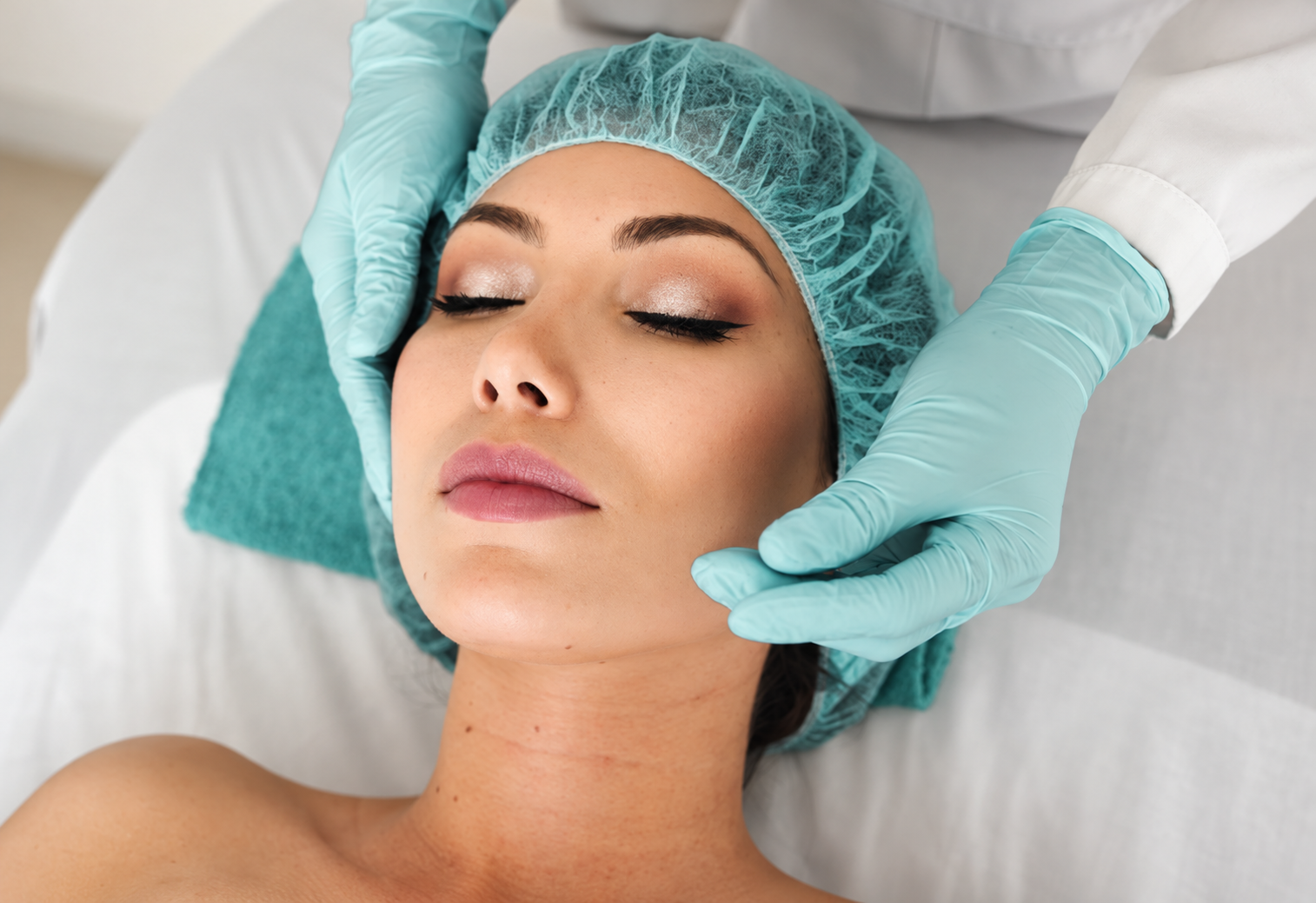
Hands up, who's had Botox?
Keep your hand up if you've ever had a chemical peel.
And be honest, who's had Profhilo, or at least toyed with the idea?
Aesthetic medicine is moving away from the idea of having one big life changing treatment and instead, there's growing interest in smaller, regular treatments designed to maintain skin quality over time.
It's maintenance over makeovers.
‘I think we are seeing a real shift towards subtle, preventative and maintenance focused treatments,' says Dr Munir Somji, Chief Medical Officer and Founder of DrMediSpa, one of the first clinics to specialise in non-surgical treatments. 'Patients want to look like themselves, just fresher and healthier, rather than changing their appearance completely. Small, considered treatments over time can often create a much more natural result than waiting until you feel you need a dramatic change.’
During midlife, declining collagen and elastin, hormonal changes and reduced moisture retention can affect skin firmness, texture and hydration. Changes in facial fat and underlying structures can also alter definition. Find out more about why your face changes in midlife. But that doesn't mean every change needs correcting.
‘Hormonal changes can also make the skin drier and more sensitive,’ adds Dr Somji. ‘Understanding these changes means you can choose treatments that support the face as it naturally evolves, rather than trying to completely stop the ageing process.’

Dr Munir Somji
Botox: softening lines, not freezing your face
If you're looking to soften expression lines, wrinkle-relaxing injections may be an option. Botox is a brand of botulinum toxin, a prescription-only medicine that temporarily relaxes targeted muscles. Results generally last around three to four months, although this varies, so repeat appointments can become an ongoing expense. ‘I would always start with the basics,’ says Dr Somji. ‘A good skincare routine, daily SPF and maintaining healthy skin should come before anything else. Then wrinkle relaxing injections can be very effective at softening dynamic lines caused by repeated muscle movement, particularly around the forehead, between the brows and around the eyes. Used appropriately, it can create a fresher, more rested appearance while still allowing natural expression. Allowing some natural movement can give a much more subtle result than repeatedly trying to completely freeze the face.’
Lasers and light-based treatments
For concerns such as sun damage, pigmentation, redness, visible blood vessels and uneven texture, different laser and light-based treatments may be worth exploring. Some are designed to target pigmentation and redness, while others can help improve skin texture and stimulate collagen production. Laser treatments use focused light, while intense-pulsed light (IPL) uses a broader spectrum. Some treatments require a course of sessions, while others may need occasional maintenance. ‘Lasers and light-based treatments can be incredibly useful, but different technologies target different concerns,’ explains Dr Preema Vig, Medical Director of the Dr Preema London Clinic. ‘The important thing is to choose the technology based on your skin and your specific concern, rather than choosing a treatment simply because it is popular.’

Dr Preema Vig
Facials, peels and skin boosters
Facials and chemical peels offer different approaches to improving skin quality. Facials can focus on cleansing, exfoliation and hydration, while peels use acids to remove dead skin cells and encourage skin renewal. Try not to be put off by the Sex and the City episode where Samantha emerges bright red and sore. Chemical peels vary considerably in strength, and milder options use lower concentrations of acids to exfoliate the skin. Depending on the formulation, they may help improve uneven tone, congestion and texture, often with less downtime than stronger peels. ‘Facials and peels can help improve brightness, texture, congestion and hydration,’ adds Dr Vig. ‘Frequency should depend on your skin, the strength of the treatment and how your skin responds. More intensive does not automatically mean better. I also particularly like treatments that focus on improving skin quality rather than simply changing the shape of the face.’
Profhilo
This is an injectable hyaluronic acid treatment which can be a good option for midlife skin because it’s incredibly hydrating. As most of us know, hyaluronic acid attracts and holds water, helping to improve skin hydration and giving it a fresher, smoother appearance. The treatment claims to encourage collagen and elastin production and usually involves small injections on either side of the face. Unlike traditional dermal fillers, it isn't intended to add volume or reshape facial features. Think of it as an option for improving skin quality rather than changing your features.
Polynucleotides and radiofrequency microneedling
Polynucleotides seem to be everywhere lately. This injectable treatment is designed to improve skin quality, rather than change the shape of your face. It contains purified DNA fragments, usually derived from fish, which are thought to support the skin's repair processes. They're often promoted for improving hydration, texture and fine lines, although the evidence is still developing.
Radiofrequency microneedling takes a different approach. It combines tiny needles with heat energy delivered into the skin, with the aim of stimulating collagen production. It’s intended to help improve uneven texture, fine lines and some skin laxity, but it's a more intensive treatment than your standard facial and can involve redness, downtime and risks. Both treatments can come with a hefty price tag, so do your homework before booking.
What should you prioritise if money is tight?
Both Dr Somji and Dr Vig agree that daily SPF and a consistent skincare routine should come first. ‘I would also suggest an evidence-based retinoid,’ says Dr Vig. Retinoids, which are derived from vitamin A, can help improve fine lines, uneven texture and signs of sun damage, although they can cause dryness and irritation. If you have money left for professional treatments, start with the concern you most want to address rather than booking several procedures at once.
Are any treatments being over-promoted to women in midlife?
‘I think the biggest issue is the idea that every sign of ageing needs correcting,’ says Dr Nina Bal, an Advanced Facial Aesthetics Clinician and Founder of Facial Sculpting Clinic. ‘There is a huge amount of marketing aimed at making women feel that normal changes are problems that need fixing. Treatments can be wonderful when they are chosen thoughtfully, but no woman should feel that she needs to constantly do something to her face simply because she is getting older.’

Dr Nina Bal
What should you ask before spending your money?
‘Ask what the treatment is actually going to achieve, why it has been recommended for you and what the alternatives are,’ adds Dr Bal. ‘I would also ask about potential risks, downtime, how long the results are expected to last and what happens if you do not like the result. A good practitioner should be happy to have that conversation and should never make you feel pressured into treatment.’
What does a realistic midlife maintenance plan look like?
‘I would keep it simple and consistent, says Dr Bal. ‘Every morning, cleanse, moisturise if needed and use a broad spectrum SPF. In the evening, cleanse and use appropriate active ingredients depending on your skin. Then consider a small number of professional treatments throughout the year based on your individual concerns. Good sleep, nutrition, hydration and not smoking also have a huge impact on how the skin looks. The goal should be healthy, well cared for skin that still looks like you.’
The aim is not to chase every new treatment or trend. Instead spend your money wisely and choose what genuinely suits your skin and your priorities.