GLP-1 explained: what actually happens to your body when you take a GLP-1?
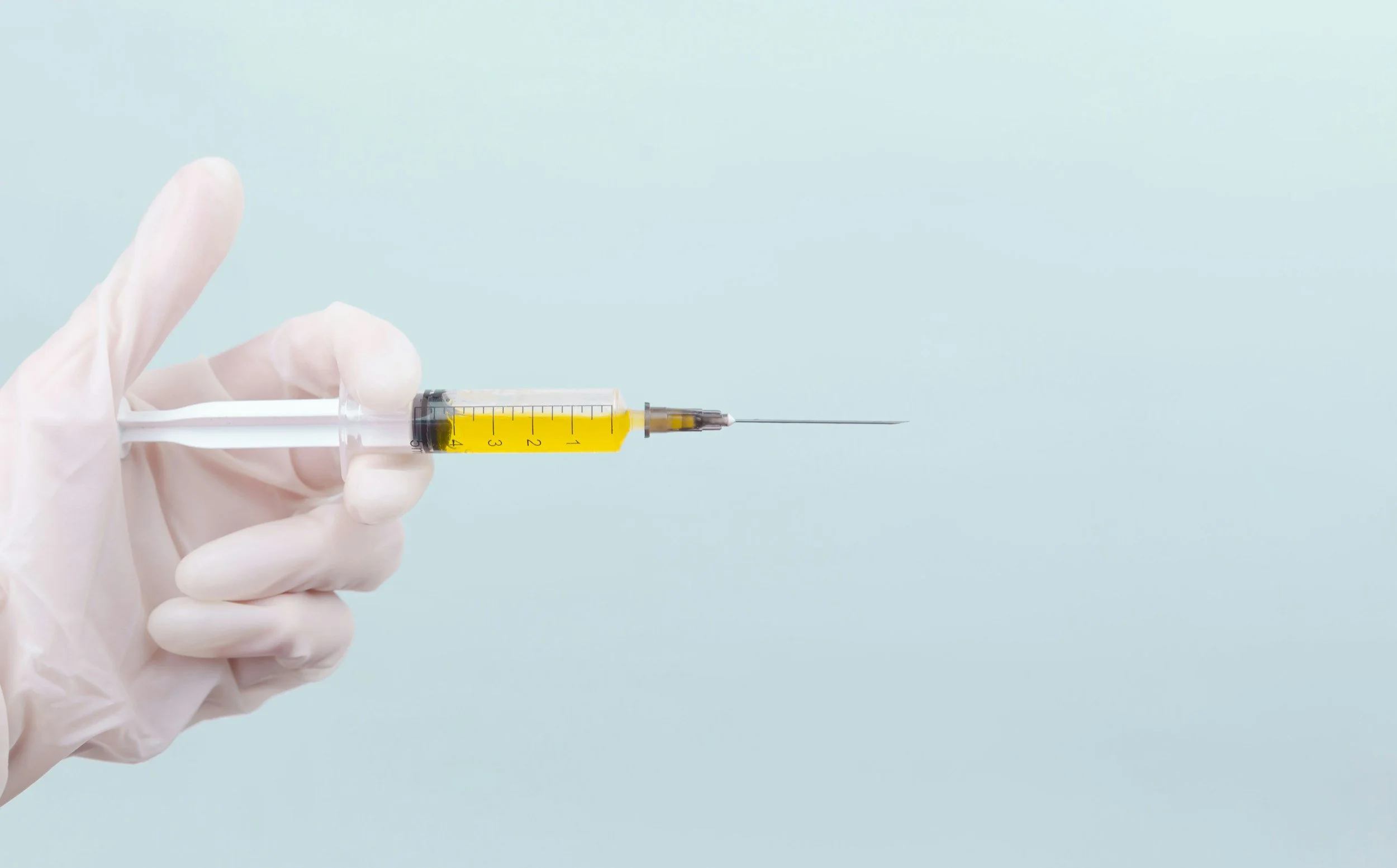
There was a time when talk about celebrity weight-loss meant juice cleanses, the cabbage soup diet and a lemon and cayenne pepper mix. Then came Ozempic.
By 2022, stories about celebrities using the diabetes drug for weight loss were everywhere, and the conversation around GLP-1 drugs went from medical journals to magazine covers.
The UK caught up in September 2023, when Wegovy, which contains semaglutide, the same active ingredient as Ozempic, launched here for weight management. It had already been approved in the US for chronic weight management in 2021. Mounjaro, containing tirzepatide, followed, receiving UK authorisation for weight management in November 2023. Unlike semaglutide, tirzepatide acts on both GLP-1 and GIP receptors, giving it a broader effect on appetite and blood sugar regulation.
Since then, things have only gathered pace. In June 2026, the UK approved a Wegovy tablet, making it the country's first GLP-1 receptor agonist tablet specifically approved for weight loss and weight management.
Now there's another drug making headlines: retatrutide. But this one comes with a very important warning: it is still an investigational medicine in Phase 3 clinical trials and has not been approved by any medicines regulator. That means it isn't legally available to buy as a medicine in the UK. Retatrutide is legally available only through Lilly's clinical trials, and anything sold to consumers outside those trials is unapproved and cannot be relied upon for its safety, purity or dose.
So, after years of being told to eat less and move more, is there really a miracle pill? And what is actually happening inside our bodies when we take one of these drugs?
First things first: what actually is GLP-1?
Before we get into the injections, tablets and increasingly bewildering drug names, it helps to understand the thing they are mimicking. GLP-1 stands for Glucagon-Like Peptide-1, a hormone our bodies naturally produce after we eat. It is part of the body's system for dealing with food, helping regulate blood sugar and appetite. The natural hormone is short-lived, so these medicines are designed to keep its effects going for much longer. ‘GLP-1 is a naturally occurring peptide hormone released by specialised cells in the gastrointestinal tract when food is ingested,’ explains Victoria Strandlund, a nutritionist with leading health and nutrition app Lifesum. ‘It belongs to a group of gut hormones released after eating that help the body handle the meal that just arrived. In short, GLP-1 is one of the body's own built-in tools for keeping blood sugar steady and appetite in check after eating. Within minutes of food, particularly carbohydrate and fat, reaching the small intestine, the body releases GLP-1 into the bloodstream. But native GLP-1 is fragile and breaks down almost immediately, so its active only around one to two minutes. Biologically it's designed to be a short, sharp signal tied to the meal just eaten, not a constant background hormone.’ GLP-1 medicines essentially take that short-lived biological signal and make it last much longer.
As Victoria says, it’s an ‘engineered version’ of the natural hormone. ‘That engineering turns a signal that naturally lasts one to two minutes into one that lasts several hours or around seven days. They produce a stronger, sustained version of GLP-1's own effects, not a different mechanism, an amplified one.’
Why do GLP-1 drugs make you less hungry?
This is probably the bit most people have heard about. Take a GLP-1 medicine and suddenly that constant food noise you hear all day, can become much quieter. Victoria explains that this isn't simply about having more willpower. GLP-1 receptors are found in parts of the brain involved in hunger, eating and reward. ‘GLP-1 receptors sit in several of the brain regions involved in eating: the hypothalamus (your main hunger control centre), the brainstem (which gets direct signals from the gut), and the brain's reward circuitry, where "wanting" and cravings are generated,’ she says. ‘Because the medicines circulate for so much longer than the natural hormone, they keep stimulating these areas continuously — turning down the hypothalamic hunger drive and quieting the urge to go looking for food, often described as less "food noise".’
That helps explain why someone might suddenly look at the biscuit tin and think, ‘meh,’ rather than entering the sort of negotiation normally reserved for a hostage situation. But appetite isn't the whole story. GLP-1 medicines also affect digestion, slowing the movement of food from the stomach into the small intestine. The result can be a much stronger sense of fullness.
‘GLP-1 slows down the muscular contractions that normally push food from the stomach into the small intestine, so meals sit in the stomach longer. That alone gives you a real, physical fullness - a stomach with food still in it feels different from an empty one, and that "still full" signal gets picked up and sent to the brain.’ She adds that researchers are still working out exactly how all these signals interact, particularly the role of the brainstem and the vagus nerve.

Victoria Strandlund, Lifesum Nutritionist
What happens to blood sugar?
GLP-1 isn't simply an appetite hormone. It also plays an important role in blood glucose regulation, which is why drugs targeting the pathway were originally developed for diabetes.
‘Two things happen together. First, GLP-1 tells the pancreas to release insulin, but only when blood sugar is high. At the same time, it tells the pancreas to hold back the hormone that would otherwise push blood sugar up. Because this only switches on when sugar levels are high, it's a big reason these medicines rarely cause blood sugar to drop too low on their own.’
There is another piece to the puzzle. Because food moves more slowly through the stomach, glucose enters the bloodstream more gradually too. That combination helps explain why these medicines can have such a significant effect on blood sugar as well as appetite. And it may also explain why foods can suddenly feel different. ‘Whether food actually tastes or feels less enjoyable once someone's eating it, is less clear-cut - some people do experience that, especially early on, but it's hard to separate from simply feeling full or mildly nauseous sooner.’
Eating less doesn't automatically mean eating well
This is the bit I think deserves far more attention in the GLP-1 conversation. When appetite drops, eating less can feel like the entire point. But the body still needs protein, fibre, vitamins, minerals and enough fluid. If the amount of food falls dramatically, getting enough nutrition from what remains becomes more important, not less. ‘The core risk is that total food volume drops faster than food quality improves,’ she says. ‘So, protein, fibre and micronutrient intake can fall along with calories, even as fat loss is happening. In practice: protein at every meal, even small ones; not skipping meals entirely even when hunger is genuinely absent; and treating fibre and hydration deliberately, since low intake combined with slower gut transit can worsen constipation.’ There is also the question of what happens to the weight once treatment stops. Weight regain has been observed after discontinuation of semaglutide, so these medicines should not be thought of as a quick course that permanently switches off the body's appetite system. And contrary to another popular misconception, the weight you lose on GLP-1 medicines isn't just water. Most of the weight lost is fat, but some can be muscle and other lean tissue. That's why getting enough protein and doing strength training are massively important if you're taking these drugs.
So, is this the miracle pill everyone’s describing it as? ‘Miracle’ is probably a bit far-fetched, but GLP-1 medicines have been shown to produce significant weight loss in people living with overweight or obesity, alongside their effects on appetite, blood sugar and digestion.
What we're actually seeing is something much more interesting: medicines that harness a system our bodies already use to regulate appetite, digestion and blood sugar. And with new drugs, different ways of taking them and treatments targeting multiple hormone pathways now being developed, the bigger question is what this could mean for the future of weight management.
Lifesum is a personalised nutrition and healthy-living app that helps people make healthier, more sustainable choices around food, nutrition and lifestyle. It is currently offering 50% off an annual subscription, £49.99 for 12 months. lifesum.com