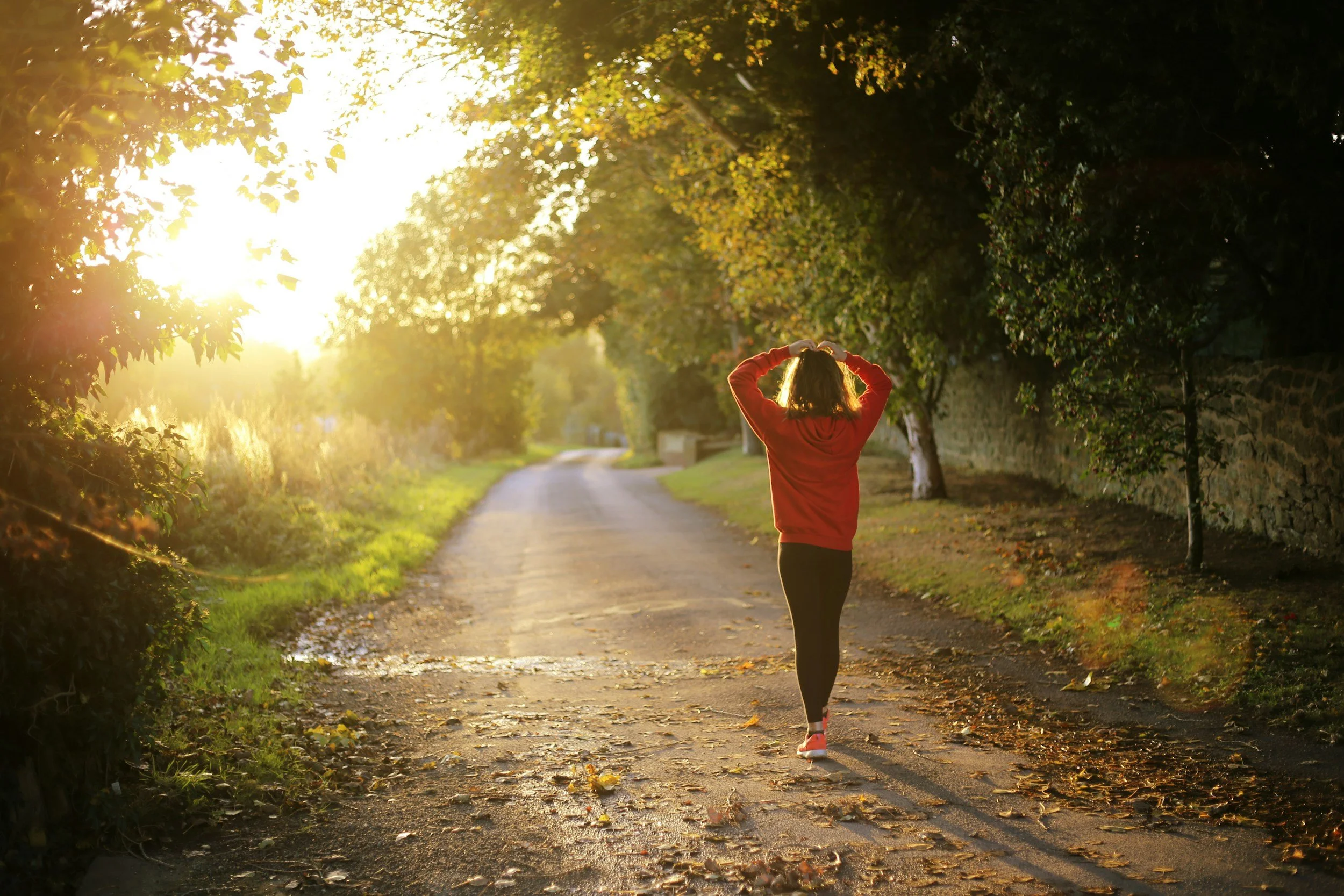
I don’t know about you, but I’m terrible at getting my steps in. Unless it’s a running day, I’m usually sat at the computer for hours at a time, only moving to make a cuppa or pop the washing on. Not ideal, I know.
Especially when we are told to be aiming for 10,000 steps a day.
It's the magic number that pops up on fitness trackers and a target that makes us feel smug when we hit it and incredibly guilty when we're showing just 3,000 steps at bedtime. But where did that magic number come from? And do we really need to walk 10,000 steps every day to stay healthy?
The good news is that the science suggests we can breath easy. Research published in The Lancet Public Health in 2025 found that around 7,000 daily steps could be enough to give you significant health benefits. So, if you've been trying to squeeze in an extra walk between work, family life, the food shop and everything else on your never-ending to-do list, here's what you need to know.
Where did 10,000 steps come from?
Despite its reputation as the gold standard for daily movement, the 10,000-step target wasn't originally based on a specific scientific health recommendation. In fact, the target can be traced back to Japan in the mid-1960s. Following the 1964 Tokyo Olympics, Japanese company Yamasa launched a pedometer called the Manpo-kei, meaning '10,000-step meter,' in 1965. The memorable name helped make the daily target popular and this gradually became an unofficial benchmark for activity.
So, how many steps do we actually need?
The Lancet study looked at 57 studies involving adults and examined the relationship between daily step counts and a range of health outcomes. The researchers found that taking around 7,000 steps a day was associated with meaningful health benefits compared with taking just 2,000. These included a 47% lower risk of death from any cause, a 25% lower risk of cardiovascular disease and a 38% lower risk of dementia. The researchers also identified lower risks of type 2 diabetes, depression symptoms and falls.
However, interestingly, the benefits didn't keep increasing with every extra step. The research suggests that around 5,000–7,000 steps a day might be enough to make a health difference. This doesn't mean 10,000 steps are pointless, or that you should stop once you reach 7,000. Instead, you don’t need to stress yourself out with a specific number every day.
Is 5,000 steps enough?
If 7,000 feels like too much, don't be put off. You don't need to go from barely leaving your desk to marching around the neighbourhood for hours. As with any new fitness routine, build up gradually and give your body time to adapt. Our guide to training smarter, not harder explains why recovery matters just as much as exercise. Start by looking at how much you're currently walking and see whether you can add another 500–1,000 steps a day. Once that feels manageable, build it up. Consistency matters more than chasing a number.
Does walking speed matter?
Yes, and it's worth thinking about how you're walking as well as how many steps you're taking. A gentle stroll is still movement, but picking up the pace can help improve cardiovascular fitness. Brisk walking should make you feel warm and breathe a little harder, while still allowing you to hold a conversation. You could try adding a few quicker intervals to your usual walk or taking a slightly hillier route. The NHS recommends at least 150 minutes of moderate-intensity activity a week for adults, or 75 minutes of vigorous activity, alongside muscle-strengthening activities on at least two days. Your daily steps can contribute towards that target.
How to fit more steps into a busy day
Let's be realistic. Finding an extra hour to walk every day isn't always possible. But a few ‘movement snacks’ (the non-technical term for short bursts of movement) can add up. Try:
Getting off the bus or train one stop earlier.
Taking a short walk during your lunch break.
Walking while making phone calls.
Taking the stairs instead of the lift.
Parking further away from your destination.
Going for a 10-minute walk after dinner (also good for digestion).
Making a weekend walk part of your family routine.
Taking the dog for an extra long walk.
Is it safe to walk after dark?
With shorter days, if you find you’re only opportunity to get out side is after dark, just take some sensible precautions. Walk somewhere you know well and wear reflective or high-visibility clothing to make sure you're visible. If you're listening to music or a podcast, keep the volume low or wear just one earbud, so you’re still aware of your surroundings. You can also walk with a friend or join a local walking group. An indoor walk, a treadmill session or moving around more at home all count for extra steps.
Don't forget strength training
As we get older, maintaining muscle strength and bone health is also important. Especially for those midlifers when perimenopause and menopause can influence muscle and bone health. The World Health Organization and UK physical activity guidelines recommend muscle-strengthening activities involving the major muscle groups on at least two days a week. Think resistance training, bodyweight exercises, Pilates or other activities that challenge your muscles. Find out why why strength training matters more as you get older here.
The verdict: forget the magic number
Around 7,000 steps is a realistic target but whatever you're currently achieving, just try and add 1,000 steps more. The important thing is to move regularly, find ways to make activity part of your everyday life and have fun.
And if you don't quite make your target today? There's always tomorrow.