Why strength training matters more as you get older
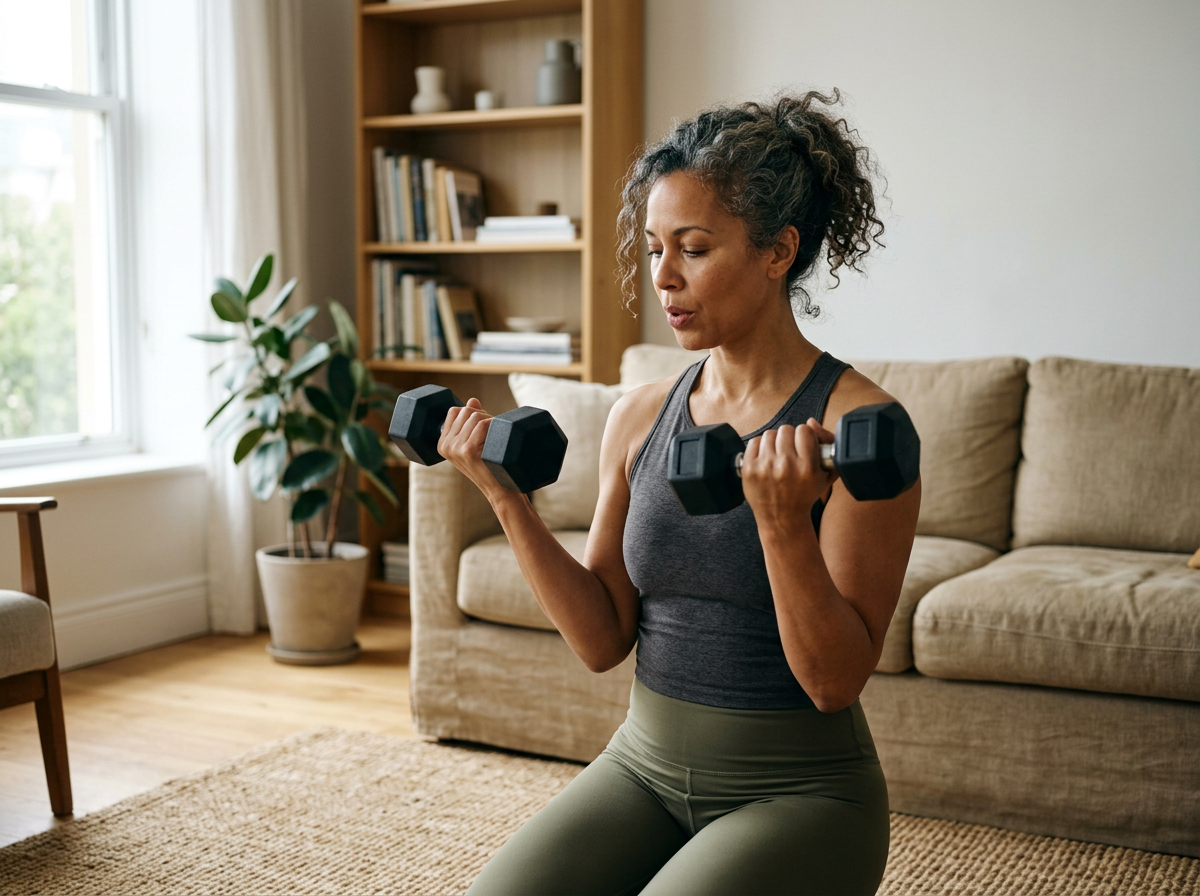
We tend to think exercise is about losing weight, getting fitter or squeezing into those jeans that haven't seen the light of day since 2019. But as we get older, there's a much more important reason to pick up those dumbbells.
To stay strong enough to move.
Because strength isn't just about how you look. Nor is it about having impressive biceps or being able to lift the heaviest dumbbell in the gym. It's about being able to carry the shopping, get yourself off the floor, climb the stairs, lift a suitcase, run around after the grandkids and keep doing the things you love for years to come.
So, if there was ever a time to get in the gym and lift a weight, it would be now. You aren't just working towards a stronger body today. You are investing in the kind of body you want to have when you're 70 and 80.
Muscle mass, strength and physical performance all tend to decline as we age, and becoming less active can add to the problem. For women, there’s another factor to consider too: the hormonal changes of perimenopause and menopause. As oestrogen levels fall during the menopause transition, this can contribute to changes in muscle mass and strength, making it even more important to keep giving our muscles a reason to stay strong.
As Nicole Chapman, a qualified personal trainer of more than 10 years and founder of Power of Mum, puts it: 'As we get older, strength becomes much less about how our body looks and much more about what we want our body to be able to do. We naturally lose muscle as we age, so we have to actively work to maintain it. Our muscles support our joints and skeleton and help us move, balance and stay stable. We also naturally lose bone density as we age and, for women, that loss can accelerate around perimenopause and menopause as oestrogen levels fall, increasing the risk of osteoporosis. Strength training puts load through our muscles and bones, which provides the stimulus our bones need to help maintain their strength. So, when we strength train, we’re not just building muscle. We’re supporting the whole system that keeps us moving.’
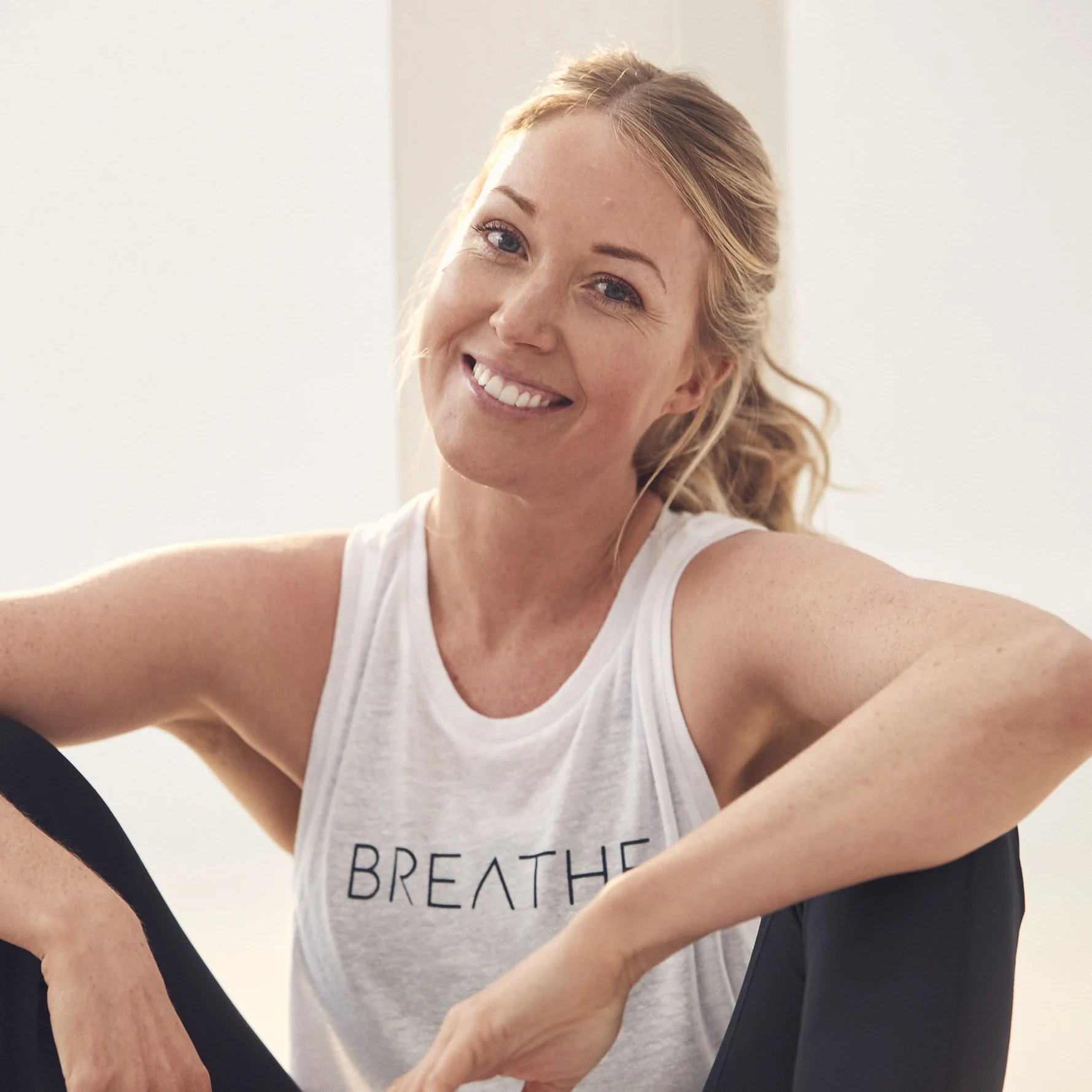
Personal Trainer Nicole Chapman
Nicole also makes an important distinction between strength and power. 'Power is slightly different to strength. Strength is how much force you can produce, whereas power is how quickly you can produce that force. We need that ability to react quickly if we trip, catch ourselves when we lose our balance, or get up from the floor.'
Research suggests that muscle power can decline faster than strength, making it particularly relevant to physical function as we get older.
The good news? ‘It’s not all downhill from 30. Muscle responds to being challenged at any age, so we can start to build and maintain strength no matter how old we are. It’s never too late to start,’ she adds.
However, if the thought of walking into a gym and picking up a dumbbell fills you with dread, you are certainly not alone. Research from ukactive found that 44% of people who weren't members of a gym or leisure facility said they didn't have the confidence to join, while Sport England research found that 50% of women with experience of exercising in fitness or leisure centres worried about being judged. But you don't even need a gym to get started.
‘A couple of dumbbells and a small amount of space at home is enough to get started,’ says Nicole. And you don't need an hour either. One of the biggest barriers I see, especially for women juggling work and family, is believing exercise only counts if you have an hour to go to the gym. It doesn’t. A focused 20-minute strength workout at home can be effective, and something you can consistently fit into your life is far more valuable than a perfect routine you can't maintain.
Current NHS guidance recommends strength exercises that work all the major muscle groups on at least two days a week, but that doesn't mean every session needs to be long or complicated. ‘I would much rather somebody consistently did two strength workouts every week than told themselves they needed to do four or five, couldn’t maintain it and stopped altogether,’ she says. ‘Two sessions a week is a really realistic starting point and you can always build from there.’
You also don't need an elaborate programme involving 17 different pieces of equipment with moves that would impress a gymnast. ‘Keep it simple. Squats, deadlifts, rows, presses, single-leg balances, farmer’s carries and some basic core work are a great foundation. I like exercises that have a purpose outside of the workout too: a squat is essentially getting yourself up and down from a chair and a hinge or deadlift teaches you to pick something up from the floor. The key is gradually making the challenge harder as your body adapts. The last few reps should feel challenging, but you should still be able to perform them with good form. As you get stronger, you need to gradually increase the challenge. This is what we call progressive overload. That might mean increasing the weight, doing more repetitions or changing the tempo.’
And don't worry if you don't feel particularly motivated. I know I don’t always want to hit the gym or run with my dog. But I do know that I have never once regretted doing a workout. ‘I’m a personal trainer and I’m not motivated for every workout! Motivation is unreliable,’ adds Nicole. ‘Some days you’ll want to do it and some days you just won’t. Missing a workout doesn’t mean you have failed. Strength training is a long game. One missed workout doesn’t matter in the bigger picture. Just come back to it and keep going.’
Find out more about Nicole’s online strength programmes, designed for all abilities, visit nicolechapman.com or follow her on Instagram @iamnicolechapman