Why your workout progress has stalled and five things to change
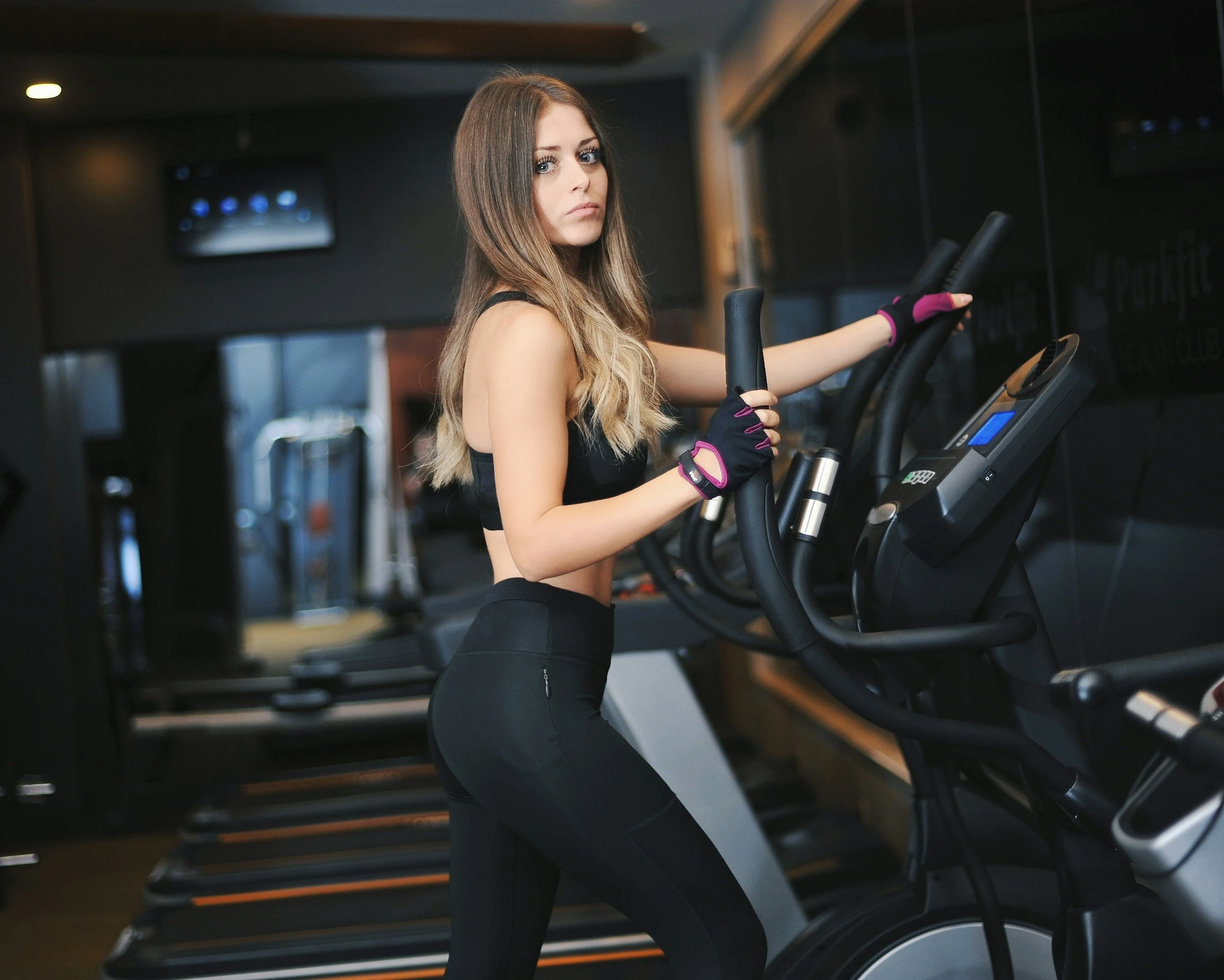
Working out but not seeing the results you hoped for? From repetitive routines to poor recovery, here are five things that could be holding your progress back.
1. You’re doing the same workout on repeat
If every workout looks the same, your body eventually gets very good at doing that exact workout. That’s not a bad thing, but it can mean you stop challenging yourself enough to make further progress. The answer isn’t necessarily exercising harder or for longer. Instead, introduce progressive overload, wich means gradually increasing something such as the weight, repetitions, resistance, speed, incline or duration. For example, if you’ve been comfortably squatting with 5kg weights for weeks, try adding a little more weight or another couple of reps. Keep a note of what you’re doing so you can actually see your progress. The aim isn’t to annihilate yourself every session. It’s to give your body a reason to adapt.
2. You’re skipping strength training
If your idea of a good workout is an hour on the treadmill, you’re not doing anything wrong. But, if you want to get stronger, build or maintain muscle and support your body as you get older, doing just cardio alone isn’t the best way. The NHS recommends muscle-strengthening activities involving all the major muscle groups on at least two days a week. And strength training doesn’t automatically mean spending an hour pumping iron in a gym. Squats, lunges, press-ups, resistance bands, dumbbells and bodyweight exercises all count. The key is making your muscles work harder than usual. For midlife women, think of strength training as an investment in the body you want to have in your 50s, 60s and beyond, rather than simply a way of changing how you look.
3. You’re not recovering enough
There’s a strange fitness mentality that thinks more must be better, but this is not necessarily the case. Your workout is the stimulus for the body to grow, but recovery is actually when the body gets the opportunity to adapt. If you’re constantly exhausted, sore or struggling to perform during your sessions, adding another hardcore workout probably isn’t the answer. It’s better to rest and take sleep seriously instead. Recovery also means eating enough to support your activity rather than trying to exercise hard while permanently running on empty. More exercise isn’t automatically more progress. A well-planned week might include challenging workouts alongside easier movement and stretching sessions, with proper days of rest. If you’re consistently fatigued or something doesn’t feel right, it’s worth discussing it with your GP rather than assuming you simply need to push harder.
4. Your nutrition isn’t supporting your goal
Another school of thought is that you need to earn your food with exercise. However, what you eat is key if you’re asking your body to build muscle and recover after training. Don’t focus on calories, go back to the basics: eat enough protein, plenty of fruit and vegetables, include wholegrains or other carbohydrate sources for energy, plus healthy fats and don’t forget water. If you’re looking to lose body fat, remember that exercise is only one part of the equation. Dramatically cutting your food intake while increasing your workouts can leave you struggling to recover and perform. Your training needs fuel so if you’re trying to lose weight, focus on sustainable eating habits rather than a short-term, quick fix diet that leaves you starving.
5. You’re expecting results too quickly
This might be the most frustrating one: you can be doing everything right and still feel like nothing is happening. Fitness progress isn’t always visible in the mirror or reflected on the scales in the beginning. You might notice that you can lift heavier, run faster, or climb the stairs without getting puffed out. These are results too. Give your programme enough time to work before deciding it has failed or changing thins up. Take body measurements, rather than just relying on the bathroom scales and keep a note of weights, reps, running times, energy levels or how your clothes feel.