Are you using your skincare in the wrong order? Here’s what goes first
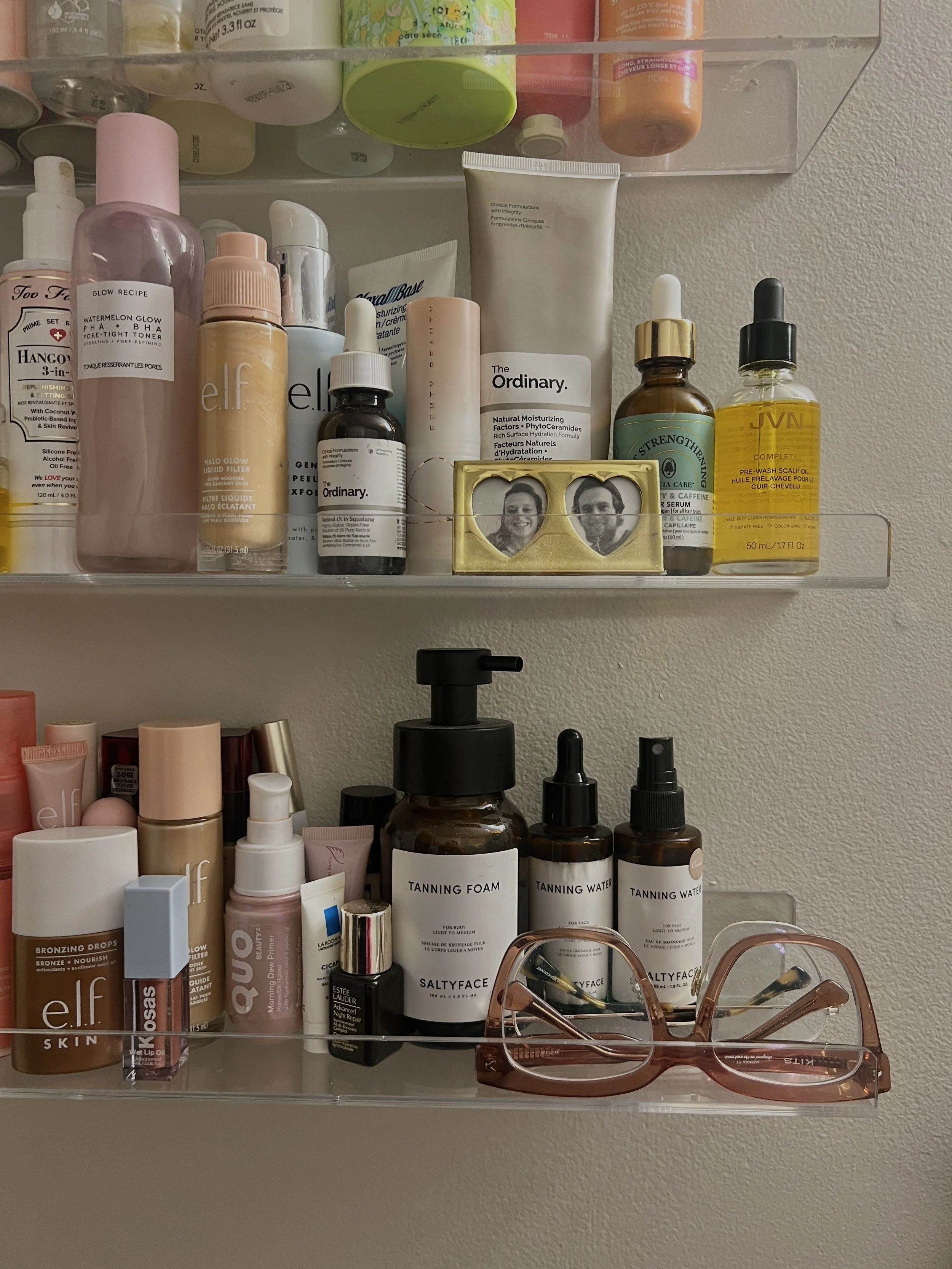
Do your bathroom shelves currently look like a small beauty department: there’s the cleanser, the toner, a serum, an eye cream, several moisturisers depending on the weather, a face oil, a retinol, an AHA acid because Instagram said you needed it….
Skincare can become a bit overwhelming, especially when you’re supposed to remember exactly where in your routine everything is supposed to go. So, are you actually using your skincare in the right order? Applying products in the right order helps them do what they're designed to do, while putting them on in the wrong order can mean you're not getting the full benefit. It can also help prevent irritation, particularly when you're using active ingredients such as retinol or acids.
The good news is that it doesn't need to be complicated. In fact, dermatologists generally recommend keeping things fairly simple and, as a general rule, skincare goes from the lightest, most watery products to the heaviest. However, there are exceptions, particularly when you're using active ingredients or prescription treatments.
So think of this as a sensible starting point, rather than the skincare law handed down from the beauty gods. And remember, you don't actually need to do every step, every day.
MORNING:
1. Cleanser
A gentle cleanser will remove sweat, excess oil and anything left on your skin from the night before, without leaving it feeling tight and squeaky. If your skin is dry or sensitive, look for a gentle, non-abrasive cleanser and avoid scrubbing at your face. The CeraVe Hydrating Cleanser is worth a try. It contains ceramides and hyaluronic acid, ingredients that can help support the skin barrier and maintain hydration.
2. Serum
Serums are generally concentrated products designed to deliver particular ingredients or target specific concerns. If you're concerned about pigmentation, you might choose a vitamin C option in the morning for antioxidant protection, or if your skin is dry, a hydrating serum containing hyaluronic acid might be better. Pick the concern you actually want to address and find a product best suited to your skin type.
3. Eye cream (optional)
The skin around your eyes is delicate, but that doesn't automatically mean you need a separate pot labelled “eye” cream. If you enjoy using one and it works for you, carry on. If you don't, don't panic.
4. Moisturiser
The job of a good moisturiser is to help hydrate the skin and support the skin barrier. Apply it after your lighter treatment products. Again, don't assume expensive equals effective. Dermatologists point out that skincare doesn't have to be expensive to work, and a simple routine of cleansing, moisturising and sun protection can provide a solid foundation.
5. SPF (always!)
This is the one step I'm going to be strict about. Sunscreen is the final step in your morning skincare routine, before makeup. Look for broad-spectrum protection and at least SPF30. In the UK, look for good UVA protection too, such as a high UVA star rating or the UVA logo. If you're looking for a facial sunscreen that sits nicely under makeup, La Roche-Posay Anthelios UVMune 400 Hydrating Cream SPF50+ is formulated with glycerin for dry skin (something that is common with ageing skin) and has a moisturising cream texture. Remember, the SPF in your foundation doesn't mean you can forget about a dedicated sunscreen product.
EVENING
1. Remove makeup and sunscreen
If you've been wearing makeup or a decent layer of SPF all day, take it off properly. You can use a cleansing balm, oil, micellar water or cleanser, depending on what works for your skin. I really love the Medik8 Lipid Balance Cleansing Oil as it’s super nourishing and even manages to shift stubborn waterproof mascara.
2. Cleanse
Do you need to double cleanse? Not necessarily. If one gentle cleanse effectively removes everything, there's no prize for doing two. However, if you've been wearing a full face of makeup or a decent layer of SPF, a second cleanse can help make sure you haven't left half of it behind.
3. Treatment or serum
Now comes the pamper bit. This might be a hydrating serum, a product for pigmentation, or another active ingredient suited to your particular skin concern. Resist the temptation to throw everything at your face and stick with a targeted approach. Using several anti-ageing products together can irritate the skin and make signs of ageing more noticeable.
4. Retinol (if you're using it)
Retinol is a type of retinoid, a vitamin A derivative used in skincare for concerns including fine lines, uneven pigmentation and texture. Dermatologists generally recommend using retinoids in the evening because they can make skin more sensitive to sunlight. If you're new to retinol, don't go in like a woman possessed. Follow the instructions for your particular product. Irritation is common when people use too much or too often. If you want to try an affordable retinol product, The Ordinary Retinol in Squalane is one I’d recommend.
5. Moisturiser
If your skin is dry, you may prefer something richer at night than what you use in the morning. If you're oily or prone to breakouts, a lighter formulation may feel more comfortable. The aim isn't to wake up looking like you've been dipped in butter.
6. Facial oil (if you want one)
This is another optional step rather than a skincare essential. If you like using one, applying it towards the end of your routine makes sense because oils are generally heavier and can help reduce water loss from the skin.
And here's the bit nobody tells you... You don't need to use all of it. A perfectly respectable skincare routine can be as simple as cleanse, moisturise and SPF in the morning, then cleanse and moisturise at night. Everything else is optional and only there to address particular skin concerns or because you enjoy using it. So, if your bathroom shelf currently contains 14 half-used products, maybe it’s time to streamline. Your skin doesn't need a 12-step routine. It needs a routine that works for you.