Cold water swimming this autumn? What to eat and what to avoid before you take the plunge.
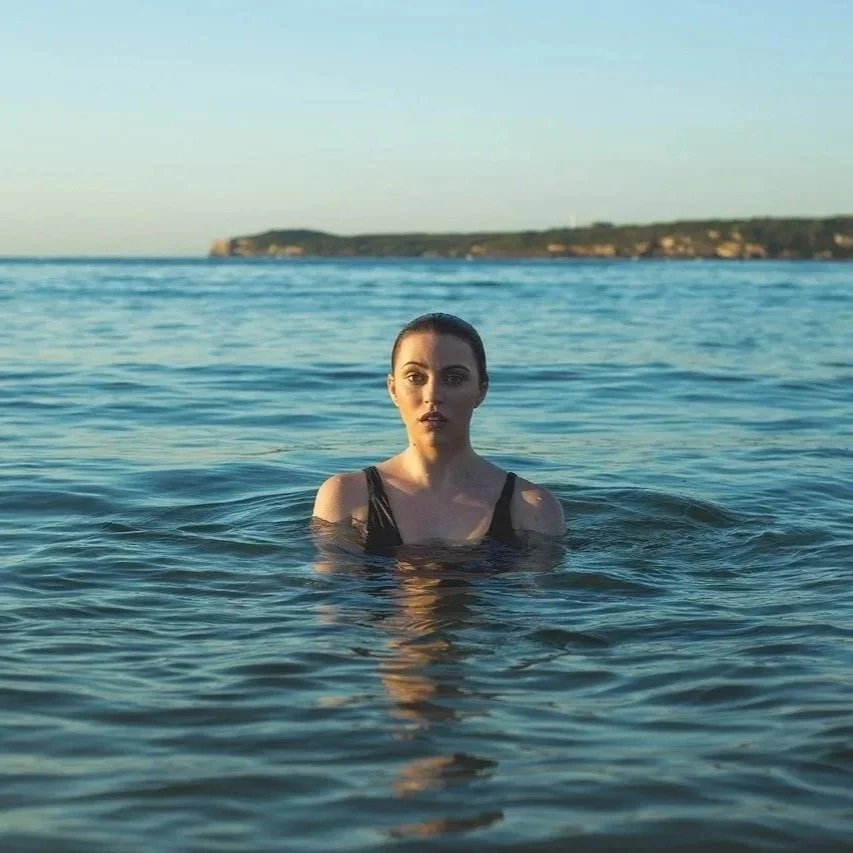
Cold-water swimming has become one of the biggest wellness trends in recent years, with many swimmers drawn to the combination of outdoor exercise, nature and that invigorating feeling you get after taking the plunge. So, as the water starts to cool this month, it’s a good time to think about what you’re putting in your body before you get in. Because, what you eat before cold-water swimming can affect how energised and comfortable you feel in the water. Get it right and you’re more likely to feel euphoric and comfortable when you hit the water. Get it wrong, and swimming on either an empty or full stomach could leave you feeling lacking in energy, shaky or lightheaded.
Cold-water swimming typically involves getting into water where temperatures are around 15°C, although there is no single definition of what constitutes ‘cold water’. The colder the water, the greater the physiological response. Your body experiences what is known as ‘cold shock’, causing your heart rate and breathing to increase as blood vessels constrict to help conserve heat.
That sharp gasp when you first enter? Completely normal. But it’s also why preparation matters. Jumping in without food preperation can make the shock much harder for your body to manage, so it’s essentail to eat the right balance of foods a couple of hours beforehand.
Just as important as foods to include before a swim, are the things to avoid. Consuming a heavy meal just before a swim, can leave you feeling sluggish or uncomfortable and swimming on an empty stomach, can leave you prone to feeling lightheaded. Also, avoid alcohol, which is particularly important because it can impair your judgement in the water and affect the body's ability to regulate temperature. Timing also matters. If possible, aim to eat a balanced meal around one to two hours before getting into the water, giving yourself time to digest without feeling overly full.
In simple terms, you want enough fuel without feeling weighed down. So what should you reach for?
1. Oats
If you’re heading into cold water, carbohydrates provide a useful source of energy. A bowl of oats a couple of hours beforehand is an easy option, providing carbohydrate and fibre to help keep you fuelled throughout your swim.
2. Bananas
Bananas are an easy pre-swim option, particularly if you’re heading out in the morning. They provide carbohydrate for energy as well as potassium, a mineral involved in normal muscle and nerve function. Why not team your bananan with some nut butter or oats if you want something more substantial.
3. Beetroot
Beetroot is rich in naturally occurring nitrates, which the body can convert into nitric oxide. Research into dietary nitrates has found potential benefits for blood flow and exercise performance, although that doesn’t mean beetroot will magically make cold-water swimming easier.
4. Eggs
Eggs provide protein alongside a range of vitamins and minerals, making them a useful part of a balanced pre-swim meal. Try eggs on wholegrain toast if you have time to eat a couple of hours before getting in. It provides a combination of carbohydrate and protein without needing a complicated recipe.
5. Iron-rich foods
Iron is essential for making haemoglobin, the protein in red blood cells that carries oxygen around the body. Good sources include meat, beans, lentils and leafy green vegetables. However, there’s no need to eat a giant steak before your swim. Your overall diet matters much more than one pre-swim meal, so focus on regularly including iron-rich foods.